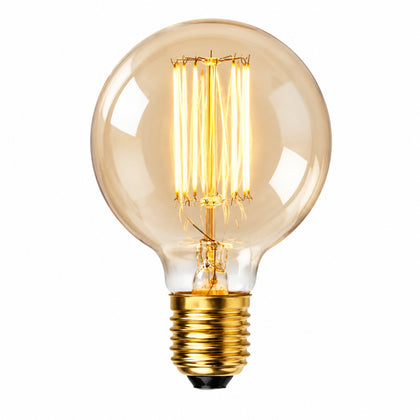
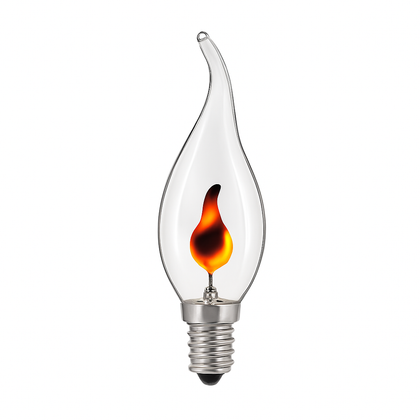
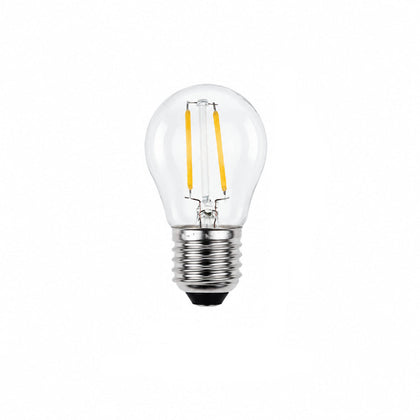
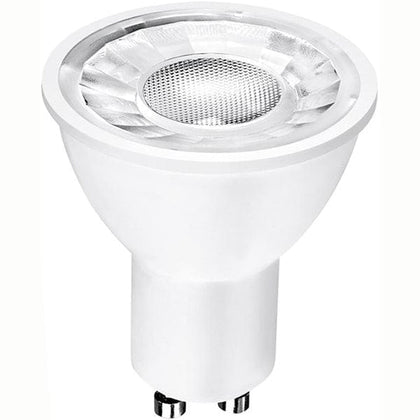
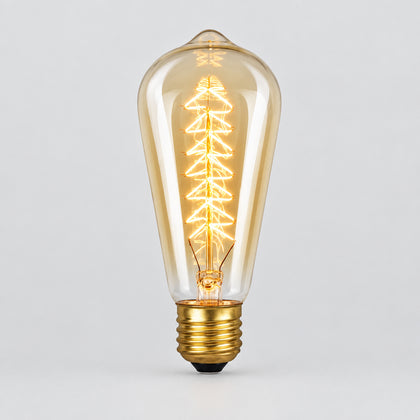
E27 Vintage Globe LED Filament Bulb 4W — 2700K Extra Warm White, Heart Filament
A 4W E27 globe LED bulb with a decorative heart-shaped filament, clear glass, and an extra warm white output at 2700K. Designed for open-shade pendants, industrial fittings, and exposed-bulb luminaires where the bulb itself is part of the visual. Integrated LED filament — no bulb to buy. Voltage: 220–240V standard mains.
Technical specifications
| Light source | LED filament — integrated, non-replaceable |
| Base / Socket | E27 (large Edison screw) |
| Filament shape | Heart — decorative visible filament |
| Wattage | 4W |
| Colour temperature | 2700K — extra warm white |
| Glass | Clear — filament fully visible |
| Voltage | 220–240V (standard mains) |
| IP rating | IP20 — indoor use only |
| Certifications | CE, RoHS, CCC |
| Connection | E27 screw fitting — direct replacement |
Vintage filament globe — the bulb as a design object, not just a light source
Most LED bulbs are designed to disappear — white glass, diffused output, no visible chip. This one is designed to be seen. The heart-shaped LED filament is visible through the clear globe glass, glowing amber at 2700K in a way that references the warmth of an original Edison incandescent without the heat, fragility, or running cost. At 4W, the output is intentionally modest — this is a decorative bulb, not a room-filling light source. It works best in bare-socket pendants, cage fittings, industrial wall lights, or any luminaire where the bulb is exposed and the filament pattern contributes to the overall aesthetic. The 2700K colour temperature is the warmest in the standard LED range, producing a golden, candlelit quality that is flattering in bedrooms, dining rooms, and hospitality settings. The colour temperature is fixed. This bulb is not dimmable.
The globe shape (G-series) gives the filament room to be appreciated from multiple angles — unlike a candle or A60 bulb where the filament is partially obscured by the bulb’s profile. In a multi-arm chandelier or a cluster pendant, several of these bulbs together create a layered, warm glow that no diffused LED can replicate. The E27 base makes it a direct replacement for any existing E27 vintage or Edison-style bulb. For inspiration on pairing filament bulbs with the right fitting, see our home lighting ideas guide or browse the full LED bulbs collection.
Common questions
Is this a real filament or just a printed pattern inside the glass?
+
This bulb uses an LED filament — a strip of LEDs mounted on a thin substrate, shaped into a heart pattern and suspended inside the clear glass globe. It is not a printed or decorative insert. When lit, the filament glows visibly in the characteristic amber tone of 2700K, closely resembling the appearance of a traditional incandescent filament. It is not a tungsten filament — it is an LED component — but the visual effect is intentionally similar.
Will 4W produce enough light for a pendant or bedside lamp?
+
At 4W and 2700K, this bulb produces a warm, low-level glow — sufficient for ambient or mood lighting in a bedroom, dining room, or bar setting, but not bright enough to serve as a primary task light. For a bedside lamp used for reading, you may find it too dim. For a pendant used purely for atmosphere, or as one of several bulbs in a cluster or chandelier, it is well suited. Think of it as the LED equivalent of a 25–30W incandescent.
Is this bulb dimmable?
+
No — this bulb is not dimmable. Using it on a dimmer circuit may cause flickering or a shortened lifespan. If dimming is important for your setup — for example, in a dining room or bedroom where you want to adjust the mood — please check our LED bulbs range for dimmable filament options before ordering.
Does the heart filament shape look good in a cage or industrial fitting?
+
Yes — the heart filament is designed to be a visual feature in open or cage-style fittings where the bulb is fully exposed. The globe shape allows the filament to be seen from multiple angles. In a closed or opaque shade, the filament pattern is not visible and the decorative value is lost — in that case, a standard diffused LED would be a more practical choice.
How does a 2700K LED filament compare to a standard warm white LED?
+
Most warm white LEDs are rated at 2700–3000K. At exactly 2700K, this bulb sits at the warmest end of that range — producing a noticeably more amber, candlelit tone than a 3000K bulb. The difference is subtle in isolation but visible when the two are placed side by side. If you are mixing this bulb with other warm white LEDs in the same space, check that the other bulbs are also rated at 2700K to avoid a visible mismatch in tone.
Browse the full LED Bulbs collection or read our home lighting ideas 2026. Free delivery on orders over €50. 30-day returns.